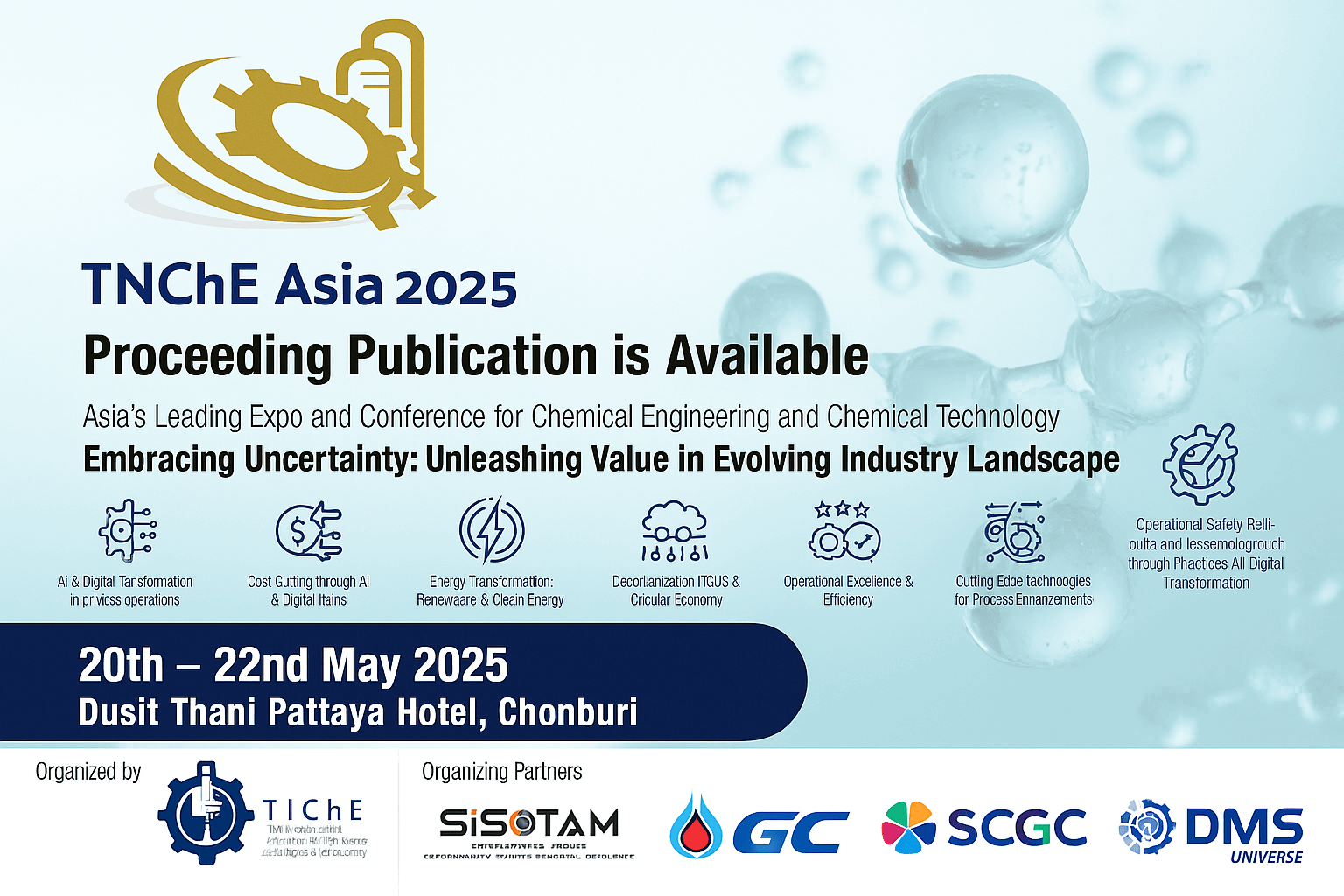
Asia's Leading Expo and Conference for Chemical Engineering and Chemical Technology
Proceeding Materials
Pleanary Speaker
Pleanary speaker's presentations
Abstract
Summarize of TNChE 2025 abstract files
Presentation
TNChE 2025 's all presentation files
About
TNChE 2025 Summarized
"TNChE 2025 is more than just a conference—it's a catalyst for innovation and collaboration, empowering chemical engineers to shape a sustainable future for Thailand."
Thailand and Southeast Asia. TNChE 2025 will serve as a vibrant platform for sharing the latest research, exchanging innovative ideas, and exploring collaborations among industry and academia. This year’s conference will focus on sustainable development, green technologies, process innovation, and the future roles of chemical engineers in Thailand’s growing industries. Attendees can expect keynote speeches by renowned experts, technical sessions, poster presentations, and networking opportunities. TNChE 2025 aims to inspire advancements and strengthen the chemical engineering community in Thailand.
0
+
Attendee
0
Sponsors
0
Exhibitors from various sectors
Powered by worldwide company partners
“By bringing together partners from every corner of the globe, TNChE Asia 2025 shows that when visionary minds converge in Thailand, chemical engineering transcends borders—turning uncertainty into opportunity and shaping a sustainable future for all.”
Highlights from the 2025 TIChE & TNChE Asia Chemical Engineering Conference
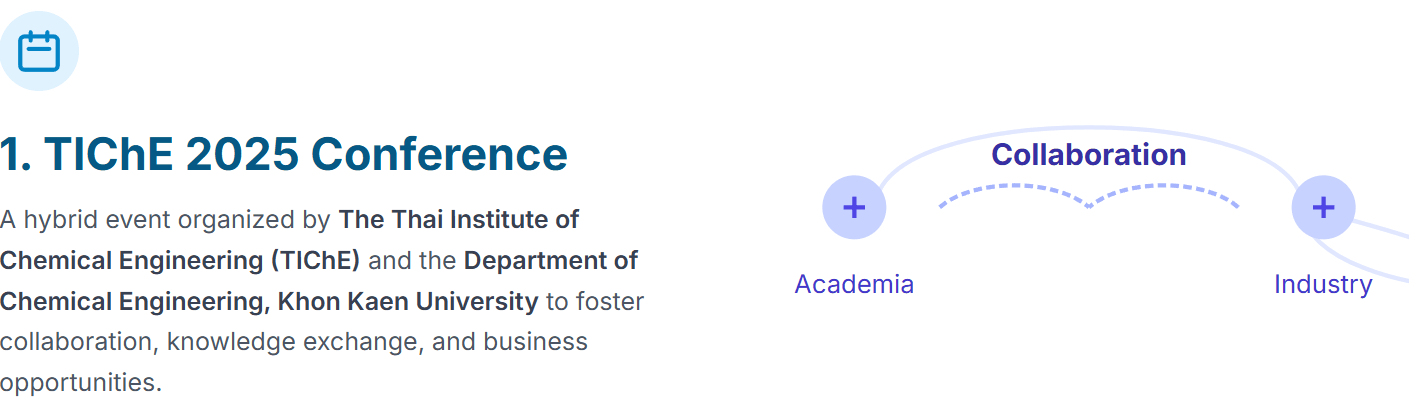
TIChE 2025 Conference
A hybrid event by TIChE and Khon Kaen University, fostering collaboration between industry and academia for professionals in clinical and process industries.
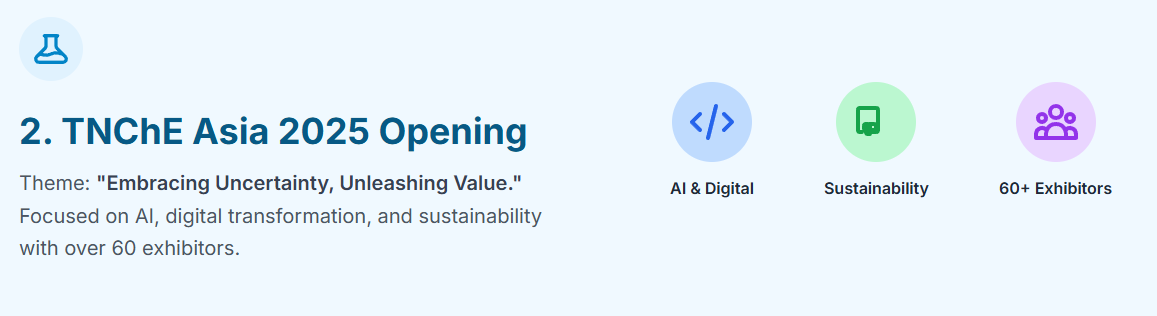
TNChE Asia 2025 Opening
Theme: "Embracing Uncertainty, Unleashing Value." Focused on AI, digital transformation, and sustainability, with insights from over 60 exhibitors and key speakers.
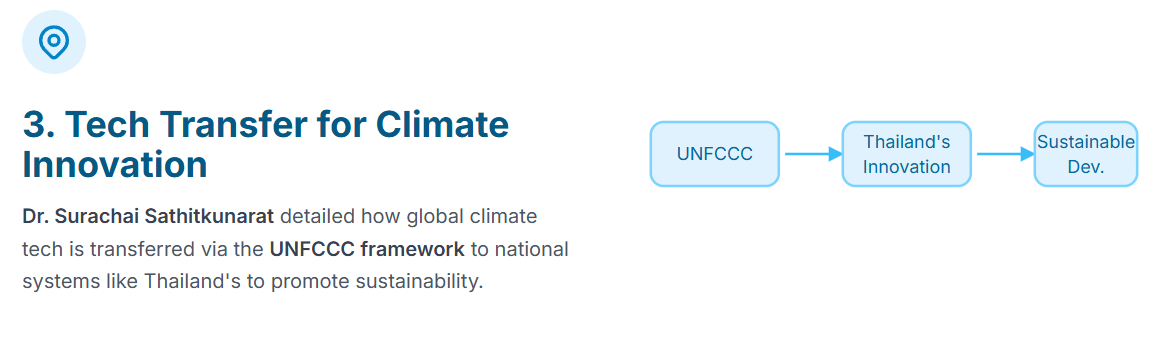
Technology for Climate
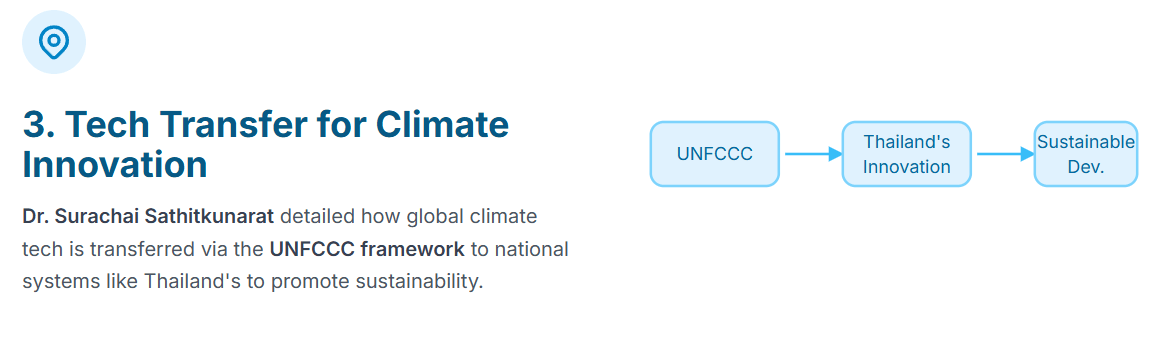
Dr. Surachai Sathitkunarat discussed Thailand's innovation system and the role of the APEC Center in global climate technology transfer under the UNFCCC framework.
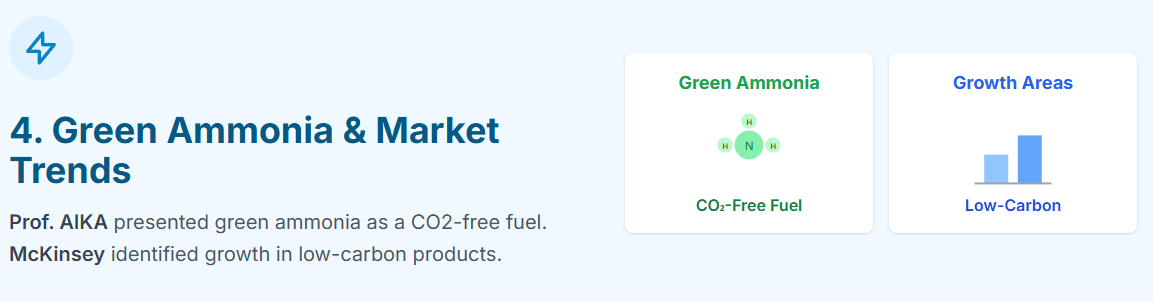
Green Ammonia & Market Trends
Prof. Emeritus Ken-ichi AIKA highlighted green ammonia as a competitive CO2-free fuel. McKinsey representatives discussed navigating industry uncertainties and seizing growth opportunities in low-carbon products.
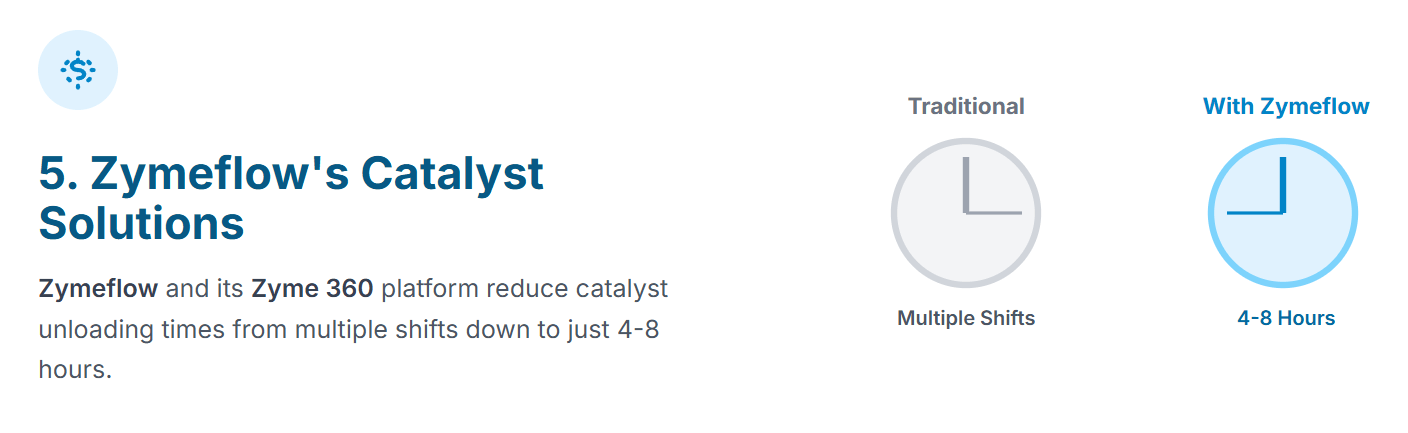
Catalyst Decontamination
Zymeflow showcased its decontamination services, using proprietary chemistry and the Zyme 360 platform to reduce catalyst unloading times from shifts to just 4-8 hours.
Sustainable Resins
Technip Energies presented on the commercialization of sustainable resins like biodegradable PBS, using bio-based monomers to combat pollution and microplastics.
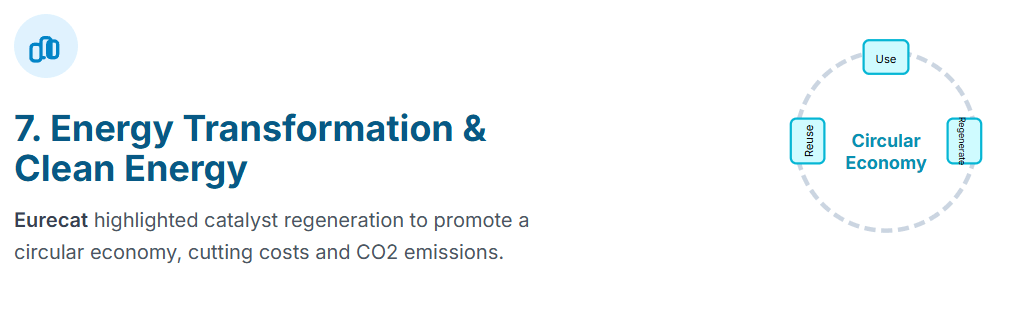
Energy Transformation
Eurecat discussed hybrid catalyst loading and regeneration to reduce carbon footprints and promote a circular economy through catalyst reuse, saving costs and CO2 emissions.
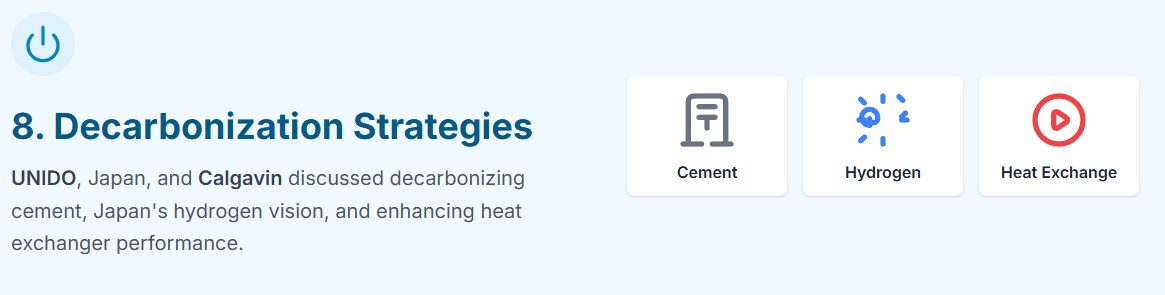
Decarbonization Strategies
Presentations from UNIDO, Japan's government, and Calgavin covered decarbonization in cement, Japan's hydrogen vision, and enhancing heat exchanger performance with Hydron technology.
Sustainable Tech Integration
Toyo Engineering discussed integrating sustainable feedstock, methanol, and ammonia technology. They showcased their expertise in EPC services and efforts to reduce greenhouse gas emissions.